
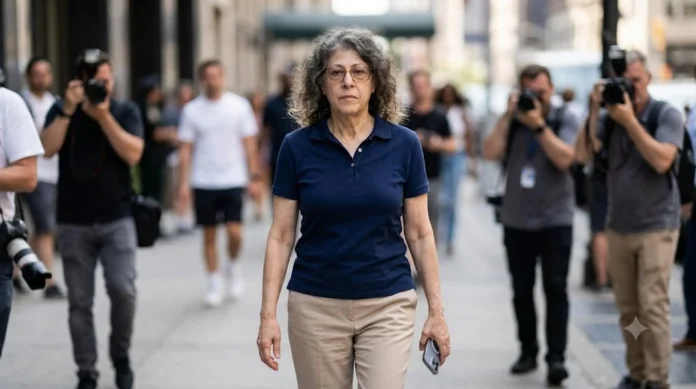
The name Susan Louise Lorincz became nationally known after the fatal shooting of her neighbor, Ajike “A.J.” Owens, in Ocala, Florida, in 2023. The case received widespread media coverage because it involved a long-running neighborhood dispute, questions about self-defense, racial tensions, and public debate over Florida’s Stand Your Ground law.
This article explains who Susan Louise Lorincz is, the events that led to the shooting, the criminal investigation, the trial, and the lasting impact of one of Florida’s most closely watched criminal cases.
Who Is Susan Louise Lorincz? A Short Biography
| Information | Details |
|---|---|
| Full Name | Susan Louise Lorincz |
| Nationality | American |
| Residence | Ocala, Florida, United States |
| Known For | Convicted in the 2023 fatal shooting of neighbor Ajike “A.J.” Owens |
| Marital Status | Not publicly confirmed |
The Background of the Case
A Long-Running Neighborhood Dispute
Before the fatal shooting, Susan Louise Lorincz and her neighbor, Ajike “A.J.” Owens, had experienced repeated conflicts over Owens’ children playing in a grassy area near their homes. According to investigators, law enforcement had responded to multiple complaints involving the two households over several years.
Authorities said the disagreements often centered on allegations of trespassing, noise, and neighborhood disturbances. During the investigation, officials also stated that Lorincz admitted using racial slurs toward Owens’ children during previous encounters, adding another layer of public concern to the case.
Escalation Before the Shooting
On June 2, 2023, tensions escalated after an argument involving Owens’ children. Prosecutors said Lorincz threw objects, including a roller skate, toward one of the children, leading Owens to walk to Lorincz’s apartment to confront her.
Owens knocked on Lorincz’s front door while Lorincz remained inside. Moments later, Lorincz fired a single shot through the closed, locked door, striking Owens in the chest. Owens later died from her injuries, while one of her children witnessed the aftermath of the shooting.
The Criminal Investigation
Initial Response by Law Enforcement
The shooting immediately attracted public attention, especially because Lorincz was not arrested on the same day. The Marion County Sheriff’s Office explained that investigators needed to gather witness statements, review forensic evidence, and determine whether Florida’s self-defense laws applied before making an arrest.
This delay prompted protests and national media coverage, with community leaders and civil rights advocates calling for swift legal action.
Arrest and Criminal Charges
Four days after the shooting, authorities arrested Susan Louise Lorincz.
She was charged with:
- Manslaughter with a firearm
- Culpable negligence
- Battery
- Two counts of assault
Investigators concluded that the available evidence did not support Lorincz’s claim that deadly force was legally justified under Florida law.
The Trial of Susan Louise Lorincz
Self-Defense Argument
During the 2024 trial, Lorincz testified that she feared Owens would force her way into the apartment. Her defense argued that Lorincz believed she was in imminent danger and acted to protect herself.
Prosecutors challenged that claim by presenting forensic evidence, witness testimony, and the physical circumstances of the shooting. They argued that Owens remained outside a locked door and posed no immediate threat that justified deadly force.
Jury Verdict
After deliberating for approximately two hours in August 2024, the jury found Susan Louise Lorincz guilty of manslaughter with a firearm.
The conviction reflected the jury’s conclusion that the evidence did not support her self-defense claim. Prosecutors argued that firing through a locked door under those circumstances constituted criminal conduct rather than lawful self-defense.
Sentencing
In November 2024, a Florida judge sentenced Lorincz to 25 years in prison.
During sentencing, the court stated that the shooting was unnecessary because Lorincz remained behind a locked door and law enforcement officers were already on their way to the scene after her earlier emergency call. The judge concluded that the evidence showed the shooting was driven more by anger than by immediate fear.
Why the Case Drew National Attention
Debate Over Florida’s Stand Your Ground Law
The case quickly became part of a broader discussion about Florida’s self-defense laws.
Some observers questioned whether Stand Your Ground protections delayed the arrest, while law enforcement maintained that investigators simply needed sufficient evidence before filing charges. Legal experts noted that the statute generally requires a reasonable belief of imminent danger before deadly force is justified.
Ultimately, prosecutors determined that those legal standards were not met in this case.
Public Discussion About Race
The shooting also generated significant discussion about race and community relations.
Civil rights advocates argued that the case reflected broader concerns about racial bias and unequal treatment in the criminal justice system. Public demonstrations took place in Ocala, with supporters of Owens’ family demanding accountability while the investigation was underway.
Where Is Susan Louise Lorincz Now?
Following her conviction and sentencing, Susan Louise Lorincz is serving her prison sentence in the Florida Department of Corrections.
The case has remained in the public eye through news coverage and documentary projects examining the events surrounding the shooting, the criminal proceedings, and the wider legal and social issues it raised.
Lasting Impact of the Case
The death of Ajike Owens had devastating consequences for her family, particularly her four children. The case also prompted renewed conversations about neighborhood disputes, responsible firearm ownership, racial tensions, and the limits of self-defense laws.
Legal scholars, criminal justice professionals, and community organizations continue to reference the case when discussing how deadly force laws are interpreted and applied in the United States. It also highlighted the importance of de-escalation during neighborhood conflicts that might otherwise spiral into violence.
Frequently Asked Questions
Q: Who is Susan Louise Lorincz?
A: Susan Louise Lorincz is an American woman from Ocala, Florida, who was convicted of manslaughter after fatally shooting her neighbor, Ajike “A.J.” Owens, through a locked front door in June 2023. She was sentenced to 25 years in prison in November 2024.
Q: Why did Susan Louise Lorincz shoot Ajike Owens?
A: The shooting followed a long-running dispute involving Owens’ children playing near Lorincz’s home. Lorincz claimed she acted in self-defense, but prosecutors argued that Owens posed no immediate threat because she remained outside a locked door. The jury rejected the self-defense argument.
Q: What sentence did Susan Louise Lorincz receive?
A: In November 2024, a Florida judge sentenced Susan Louise Lorincz to 25 years in prison after her conviction for manslaughter with a firearm.
Q: Did the case involve Florida’s Stand Your Ground law?
A: Yes. Lorincz asserted that she acted out of fear, but investigators and prosecutors concluded that the evidence did not support a lawful Stand Your Ground defense. The jury ultimately found her guilty of manslaughter.
Conclusion
The Susan Louise Lorincz case remains one of the most significant criminal cases in recent Florida history. What began as a neighborhood conflict ended in the tragic death of Ajike “A.J.” Owens, a mother of four, and sparked nationwide debate about self-defense laws, race, gun violence, and community conflict. Lorincz’s conviction and 25-year prison sentence closed the criminal proceedings, but the case continues to influence discussions about the legal boundaries of self-defense and the consequences of escalating neighborhood disputes. It stands as a reminder of how unresolved conflicts can produce irreversible outcomes with lasting effects on families and communities alike.
Read About : did they find nancy guthrie
