
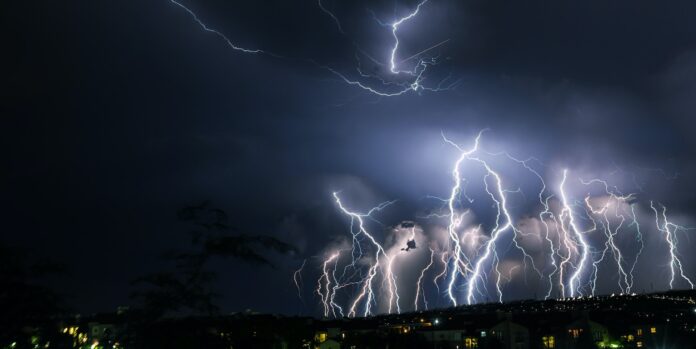
Nature has always been one of the greatest sources of peace, inspiration, and healing for humanity. From towering mountains and deep forests to rivers, oceans, flowers, and sunsets, the beauty of nature surrounds us in countless forms. People across cultures and generations have admired the natural world not only for its visual charm but also for the calmness and balance it brings to life.
In today’s fast-moving digital world, many people spend most of their time indoors, disconnected from the environment around them. Yet even a short walk in a park or a few moments spent watching the sky can refresh the mind and reduce stress. The beauty of nature reminds us of simplicity, harmony, and the importance of protecting the world we live in.
What Makes Nature So Beautiful?
Nature’s beauty comes from its diversity, balance, and ever-changing forms. No two sunsets are exactly alike, and every season brings its own unique colors and atmosphere. This constant transformation keeps nature fascinating and timeless.
The natural world appeals to all human senses. The sound of rain, the fragrance of flowers, the cool breeze of early morning, and the sight of green landscapes create a deep emotional connection. Scientists and psychologists have also found that spending time in natural surroundings can improve mental well-being and reduce anxiety.
The Colors of the Natural World
One of the most striking aspects of nature is its color. Green forests, blue oceans, golden deserts, and colorful flowers create breathtaking scenery that artists and photographers often try to capture.
Seasonal changes also add to this beauty. Spring brings blooming flowers, summer offers bright sunlight and clear skies, autumn paints trees in orange and red shades, while winter covers landscapes with snow and mist. Each season has its own personality and emotional effect on people.
The Peacefulness of Natural Environments
Nature offers a level of peace that is difficult to find in crowded cities. Quiet lakes, mountain views, and forests allow people to slow down and reconnect with themselves.
Many people travel long distances just to experience natural beauty. Activities like hiking, camping, and nature photography have become increasingly popular because they help people escape daily stress and experience calmness in a natural setting.
Nature and Human Creativity
Throughout history, writers, poets, musicians, and painters have been inspired by nature. Famous works of literature and art often describe rivers, forests, stars, and changing seasons.
Nature encourages imagination because it constantly presents new patterns, textures, and experiences. Even modern architecture and design frequently borrow ideas from natural shapes and environments.
The Importance of Protecting Nature
While nature is beautiful, it is also fragile. Pollution, deforestation, climate change, and excessive waste are damaging ecosystems around the world. Protecting nature is essential not only for wildlife but also for human survival.
Clean air, fresh water, fertile soil, and stable weather systems all depend on healthy natural environments. When forests are destroyed or oceans become polluted, the effects eventually impact people everywhere.
The Role of Trees and Forests
Forests play a major role in maintaining ecological balance. Trees absorb carbon dioxide, release oxygen, and provide shelter for countless species of animals and birds.
Beyond their environmental importance, forests also improve human health. Green spaces can lower stress levels and create healthier communities. This is why many cities are investing in parks and urban greenery.
Oceans, Rivers, and Waterfalls
Water is another major part of nature’s beauty. Oceans cover most of the Earth and support a huge variety of marine life. Rivers and waterfalls attract millions of visitors every year because of their power and beauty.
However, plastic pollution and industrial waste continue to threaten aquatic ecosystems. Protecting water resources is becoming one of the most important environmental challenges of modern times.
Wildlife and Biodiversity
Animals are an essential part of nature’s charm. Birds singing in the morning, butterflies in gardens, and wildlife in forests create vibrant ecosystems that enrich the planet.
Biodiversity helps maintain natural balance. When species disappear due to habitat destruction or climate change, ecosystems become weaker. Conservation efforts are necessary to preserve wildlife for future generations.
How Nature Benefits Mental and Physical Health
Modern research continues to show that nature has a positive effect on human health. Spending time outdoors can improve mood, increase focus, and reduce feelings of stress and depression.
Doctors and wellness experts often encourage outdoor activities because natural environments help people relax both mentally and physically. Even simple activities like gardening or walking in a park can improve emotional well-being.
Nature Reduces Stress
Natural surroundings help calm the mind. Listening to birds, watching flowing water, or sitting under trees can lower stress levels and create emotional balance.
People who spend regular time outdoors often report feeling happier and more energized. Nature provides a healthy break from screens, noise, and busy routines.
Outdoor Activities Improve Fitness
Nature also encourages physical activity. Hiking, cycling, swimming, and walking are all enjoyable ways to stay healthy while appreciating beautiful surroundings.
Unlike indoor exercise routines, outdoor activities often feel more refreshing because they combine movement with fresh air and scenic views.
Better Connection With Life
Nature teaches patience, balance, and appreciation for simple things. Watching plants grow or observing changing seasons reminds people that life moves in natural cycles.
This connection can create a stronger sense of gratitude and mindfulness. Many people feel spiritually refreshed after spending time in natural environments.
Famous Natural Wonders Around the World
The world is filled with extraordinary natural landscapes that attract travelers from every country. These places showcase the incredible diversity and power of nature.
Mountains and Valleys
Mountain ranges like the Himalayas, Alps, and Rocky Mountains are admired for their dramatic beauty and adventurous experiences. Valleys surrounded by greenery create peaceful scenery that feels almost magical.
Beaches and Islands
Tropical beaches and islands are among the most visited natural destinations in the world. Clear blue water, white sand, and palm trees create relaxing environments that many people dream of experiencing.
Forests and National Parks
National parks protect some of the most beautiful natural areas on Earth. Places like Yellowstone, Banff, and the Amazon rainforest preserve wildlife and landscapes for future generations.
These locations also educate visitors about environmental protection and sustainable tourism.
Q: Why is nature important for humans?
A: Nature provides essential resources such as air, water, food, and shelter. It also supports mental and physical health by reducing stress and encouraging outdoor activity. Healthy ecosystems are necessary for life on Earth.
Q: How does nature improve mental health?
A: Spending time in natural surroundings can help reduce anxiety, improve mood, and increase relaxation. Activities like walking in parks or sitting near water often create a calming effect on the mind.
Q: What are some examples of natural beauty?
A: Mountains, forests, oceans, rivers, waterfalls, flowers, sunsets, and wildlife are all examples of natural beauty. Different seasons also create unique landscapes and experiences.
Q: Why should we protect nature?
A: Protecting nature helps preserve clean air, fresh water, wildlife, and climate balance. Environmental protection also ensures that future generations can enjoy healthy ecosystems and natural beauty.
Q: How can people help protect the environment?
A: People can help by reducing waste, recycling, planting trees, conserving water, and supporting eco-friendly practices. Small daily actions can make a meaningful difference over time.
Conclusion
The beauty of nature is one of the greatest gifts on Earth. It inspires creativity, improves health, and reminds people of the importance of balance and harmony in life. Whether it is a quiet forest, a flowing river, or a colorful sunset, nature has the power to calm the mind and refresh the spirit.
As environmental challenges continue to grow, protecting the natural world has become more important than ever. Appreciating nature is not only about enjoying beautiful scenery but also about understanding our responsibility to care for the planet. By respecting and preserving the environment, future generations will also be able to experience the timeless beauty of nature.
