
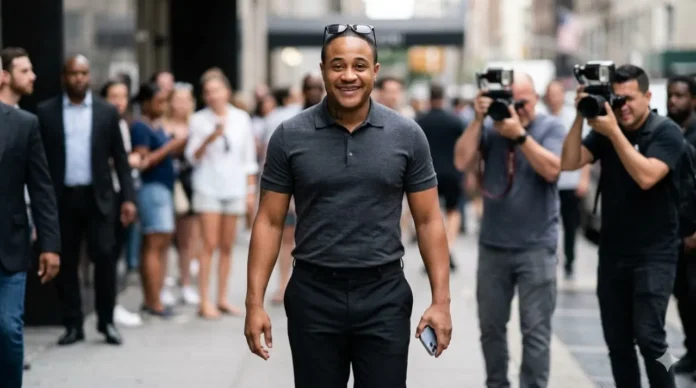
Orlando Brown rose to fame as one of the most recognizable faces of early 2000s family television. For many viewers who grew up watching Disney Channel, he became a familiar personality through his memorable role as Eddie Thomas in That’s So Raven. His humor, energetic performances, and natural screen presence helped him become part of a television era that still generates nostalgia today.
Yet his story goes beyond a single role. Brown’s career spans television, voice acting, music, and later business ventures. Alongside professional success, he also experienced personal struggles and public challenges that kept his name in headlines long after his Disney years. This article explores Orlando Brown’s biography, acting journey, major career milestones, and the lasting impact he has had on entertainment culture.
Who Is Orlando Brown? A Short Biography
| Information | Details |
|---|---|
| Full Name | Orlando Brown |
| Date of Birth | December 4, 1987 |
| Age | 38 Years |
| Birthplace | Los Angeles, California, United States |
| Nationality | American |
| Profession | Actor, Rapper, Singer, Restaurateur |
| Years Active | 1994–present |
| Famous For | Eddie Thomas in That’s So Raven |
| Height | Approximately 5 ft 6 in (1.70 m) |
| Father | Aaron Dotson |
| Mother | Tiffney Anderson |
| Marital Status | Married |
| Spouse | Danielle Brown |
| Children | Public records indicate he has children |
| Source of Income | Acting, Music, Entertainment Projects, Business Ventures |
| Official Website | legendarymrorlandobrown.com |
Early Life and Career Beginnings
Growing Up in Los Angeles
Born in Los Angeles, Orlando Brown entered the entertainment industry while still very young. Being raised in a city deeply connected with television and film production gave him access to opportunities that eventually shaped his future.
Many child actors spend years trying to establish themselves, but Brown showed early confidence and charisma on screen. Casting directors noticed his expressive personality and comedic timing, qualities that later became important parts of his career identity.
First Acting Roles
Brown’s acting debut arrived in the mid-1990s with Major Payne, where he played Cadet Kevin “Tiger” Dunne. The role introduced audiences to his natural ability to deliver comedy while remaining believable on screen.
His early television appearances expanded quickly. He later appeared in several notable series, including:
- Family Matters
- The Jamie Foxx Show
- Two of a Kind
- Waynehead
These projects gradually transformed him from a young newcomer into a recognizable television actor.
Becoming a Rising Young Talent
By the late 1990s, Brown had built a strong resume for a child performer. His ability to switch between comedic and emotional moments helped him connect with family audiences.
Unlike many young actors who become associated with only one project, Brown was steadily developing a broader entertainment profile before reaching his teenage years.
Disney Success and Mainstream Recognition
Eddie Thomas Changed Everything
Brown’s biggest breakthrough came when he joined That’s So Raven alongside Raven-Symoné.
He portrayed Eddie Thomas, one of Raven Baxter’s closest friends and an important part of the show’s humor and chemistry. Eddie’s confidence, reactions, and friendships became central elements of the series.
The sitcom ran for four successful seasons and became one of Disney Channel’s most influential programs of its era. Even years later, many fans still associate Brown primarily with Eddie Thomas.
Expanding Into Voice Acting
Brown also proved he could succeed beyond live-action television.
He voiced Sticky Webb in The Proud Family and portrayed Cornelius Fillmore in Fillmore!. Voice acting requires performers to rely entirely on vocal personality rather than expressions or body movement.
His success in animated projects demonstrated versatility and strengthened his reputation as an all-around performer.
Exploring Music Opportunities
Like many actors who began their careers early, Brown also pursued music.
He released music projects and participated in Disney-related soundtrack work. His album Trade It All represented an effort to establish himself as a recording artist while continuing entertainment work.
Music gave him another creative outlet beyond television acting and reflected his desire to expand professionally.
Personal Challenges and Public Attention
Transitioning Beyond Childhood Fame
Moving from child star to adulthood can be difficult for many performers. Public expectations often remain tied to childhood characters long after television success ends.
Brown’s journey reflected some of those challenges. Audiences remembered him from family sitcoms, while his personal life increasingly became part of media discussions.
Many former child actors have described similar struggles with identity, pressure, and adapting to life outside highly structured television environments.
Public Incidents and Personal Struggles
During later years, Brown experienced legal and personal issues that attracted widespread attention.
Media reports frequently focused on arrests, addiction-related struggles, and controversial public appearances. These events sometimes overshadowed conversations about his acting accomplishments.
Discussions surrounding Brown’s situation also contributed to broader conversations about mental health support and long-term care for child performers.
Continued Public Interest
Despite career interruptions and controversy, Brown remains a recognizable figure in pop culture discussions.
Many fans continue revisiting classic Disney moments through online clips and social media conversations. Nostalgia surrounding early 2000s television regularly brings attention back to his performances.
Public interest in his story reflects how strongly audiences connected with his work during childhood.
Orlando Brown’s Lasting Pop Culture Impact
Becoming Part of a Generation’s Childhood
Some television performers become deeply tied to the memories of a particular generation.
For audiences who grew up during Disney Channel’s early years, Brown represented an important part of after-school entertainment and family television.
His performances helped shape memories connected with that era.
More Than One Famous Character
Although Eddie Thomas remains his most recognized role, Brown’s career extends beyond a single character.
His work includes:
- Television sitcoms
- Animated series
- Films
- Music projects
- Voice performances
This range highlights a career that was broader than many casual viewers realize.
Conversations About Child Stardom
Brown’s story continues influencing larger discussions about child actors and entertainment culture.
Questions frequently include:
- Mental health support systems
- Pressures connected to fame
- Transitioning into adulthood
- Career sustainability
These conversations remain relevant throughout Hollywood today.
Frequently Asked Questions
Q: What is Orlando Brown best known for?
A: Orlando Brown is best known for portraying Eddie Thomas in Disney Channel’s That’s So Raven. He also appeared in Family Matters, Major Payne, and voiced characters in The Proud Family and Fillmore!.
Q: How old is Orlando Brown?
A: Orlando Brown was born on December 4, 1987. As of 2026, he is 38 years old.
Q: Was Orlando Brown involved in music?
A: Yes. Brown explored music alongside acting and released projects including Trade It All, while also contributing to Disney soundtrack productions.
Q: Did Orlando Brown work as a voice actor?
A: Yes. He voiced Sticky Webb in The Proud Family and Cornelius Fillmore in Fillmore!.
Q: Does Orlando Brown still receive public attention today?
A: Yes. Discussions about his television work, personal journey, and nostalgia surrounding Disney Channel continue keeping him part of entertainment conversations.
Conclusion
Orlando Brown’s career reflects both the opportunities and complexities that can come with early success in entertainment. He built a memorable television legacy through roles that connected with audiences and became part of a defining era of family programming.
Although his later years included personal struggles and public difficulties, many fans continue remembering the talent and energy that first introduced him to audiences. His journey remains an important example of the challenges child performers can face and the lasting influence television personalities can have long after the cameras stop rolling.
Read About : nia long
